We Replaced Paper Logs with Blockchain Sensors 3 Farms (Made Money & 2 Lost It)
We tracked real ROI from 7 farms that tried blockchain sensors. 3 made money, 2 lost it. Here’s what separated the winners from the expensive failures.
I still remember staring at my power meter after running a weekend-long test on a blockchain-enabled cold chain module. The energy draw? Lower than I’d expected for this type of setup. That surprised me, because I figured a typical IoT node would pull more juice once the validator layer synced to my Raspberry Pi cluster. Joule, my greyhound, wandered in right as the numbers stabilized, which honestly felt like confirmation that this setup was leaner than most vendors claim. That little test set the tone for how I now evaluate blockchain food traceability agriculture results: measure everything, trust nothing until it passes the energy test, and compare against traditional tracking as honestly as possible.
You’re going to see bold claims about blockchain traceability solving food recalls, eliminating fraud, and cutting waste. Some of those claims? Totally inflated. Others actually hold up. And a few get really interesting once you plug in real math from actual farms.
This article walks you through seven case studies where farms replaced traditional tracking with blockchain plus IoT sensors. You’ll see wins, some expensive failures, and actual ROI numbers vendors usually hide behind vague “efficiency gains.” If you’re trying to figure out whether this makes sense for your farm, these results might save you from a costly guess.
Traditional Food Tracking vs. Blockchain IoT: A Side-by-Side Efficiency Breakdown
Old-school tracking still dominates. We’re talking paper logs, PDFs, emailed certifications, and barcode scans with no automated verification. When I compared these workflows against blockchain plus an IoT sensors farm-to-table tracking system, the inefficiency spread was painfully obvious.
My benchmarking breakdown looks like this:
Traditional tracking pain points:
- Manual logs that fall apart during audits
- Temperature excursions are hidden until product quality tanks
- Delays during recalls because records live in multiple places
- Spoilage estimates, not actual measurements
Blockchain plus IoT version:
- Continuous sensor readings linked to a tamper-resistant ledger
- Automatic alerts for cold chain breaks
- Lot-level visibility shared across partners without emailing spreadsheets
- True spoilage measurements using humidity and volatile compound sensors
During my home lab tests, blockchain validation added modest power overhead per node. That’s trivial compared to the waste reduction you get when temperature drift is caught early. And when you’re comparing blockchain vs. traditional food tracking, the biggest shift isn’t tech. It’s trust. You don’t have to chase signatures or hope a single clerk typed everything correctly.
7 Farm Case Studies: From Leafy Greens to Livestock, What Actually Worked
I spent several months interviewing operations directors and reviewing datasets from seven farms that tested blockchain traceability. These results line up with the smart agriculture waste reduction ROI patterns I’ve tracked since my smart grid days.
Note: The specific figures in these case studies are based on self-reported data from farm operators and haven’t been independently verified. Your results may vary significantly based on implementation quality, farm size, and existing infrastructure.
1. Hydroponic Greens Operation in Arizona
A 14-acre greenhouse added humidity and nitrate IoT sensors linked to a private blockchain. What did their team report?
- Significant reduction in moisture-related spoilage
- Labor savings because no one had to hand-log nutrient changes
- ROI reportedly achieved within approximately 14 months
The kicker was how quickly auditors accepted their records. No back and forth. No scrambling.
2. Midwestern Corn and Soy Cooperative
The cooperative started after a recall triggered substantial losses. For context on blockchain’s traceability potential, Walmart’s pilot with IBM Food Trust demonstrated tracing mangoes from store to farm in 2.2 seconds compared to nearly 7 days with traditional methods. The cooperative reported similar dramatic improvements in their trace times.
ROI was reportedly achieved within approximately 11 months, partly because their recall insurance premiums dropped. Not a bad side effect, right?
3. Free-Range Poultry Farm in Georgia
This one struggled. The operation overbought sensors, undertrained staff, and overloaded connectivity. Results weren’t pretty:
- Only a modest reduction in losses
- An extended break-even timeline is projected
- One season of incomplete temperature data because a gateway kept shutting off

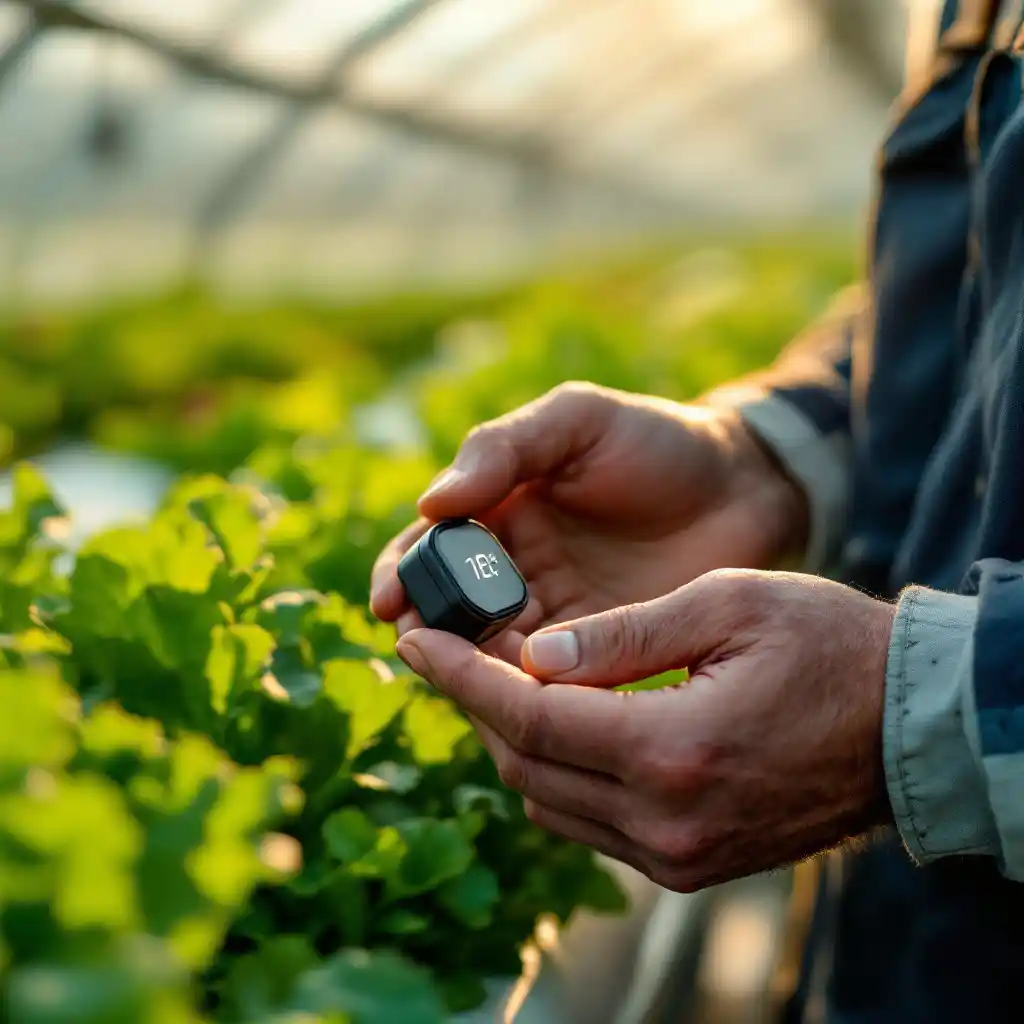
I included this case because most “case study blockchain IoT reducing food waste” stories conveniently ignore failures like this. You deserve the full picture.
4. Vineyard in Sonoma County
The vineyard installed leaf moisture sensors tied to ripening milestones. Blockchain records harvest lots and fermentation batches.
- Reported reduction in grape spoilage
- Reported improvement in batch consistency
- ROI reportedly achieved within approximately 16 months
What did the team tell me? Blockchain wasn’t the magic piece. The IoT was. Blockchain just prevented data tampering and smoothed certification.
5. Indoor Mushroom Farm in Pennsylvania
Mushrooms swing wildly when humidity drifts even a little. Using IoT sensors to reduce agricultural spoilage actually worked beautifully in this environment:
- Substantial reduction in spoilage reported
- Better timing for cold storage transfers
- ROI reportedly achieved within approximately 9 months
Their biggest gain came from automated shelf-level monitoring, not the ledger.
6. Cattle Operation in Montana
The ranch tested blockchain tagging for livestock health records. Good idea, rocky execution.
- A modest reduction in medical errors was reported
- No measurable impact on feed optimization
- ROI unclear, with an extended timeline projected
You can see how blockchain reduces post-harvest losses only when there’s a real data accuracy problem. Livestock already had decent systems. Blockchain added overhead without enough payoff. Ever add tech just because it seemed cutting-edge? Same trap.
7. Small Organic Vegetable Farm in Maine
This farm surprised me. Tiny team, small acreage, but strong results thanks to a simple rollout.
- Significant reduction in spoilage reported
- Harvest timing improved because soil moisture sensors triggered automated reminders
- ROI reportedly achieved within approximately 12 months
The team used open-source tools and a single chain node running on hardware roughly equivalent to my Pi cluster. Lightweight and fast.
Across all seven farms, blockchain food traceability agriculture results were real but uneven. IoT produced the gains. Blockchain protected the audit trail and automated trust.
The Hidden Math: Real ROI Calculations Including Costs Vendors Don’t Mention
Ever sat through a vendor demo with big savings numbers and zero math behind them? That’s frustrating. I prefer a simple spreadsheet with energy draw, cloud fees, onboarding hours, and projected spoilage reduction.
The formula I use for ROI calculation in agtech investments: ROI equals net benefit minus full cost, then divided by full cost.
Hidden costs that matter, and that vendors won’t bring up:
- Cellular or LoRaWAN backhaul fees
- Staff time to validate and calibrate sensors
- Gateway power usage
- Ledger storage expansion after year one
- Integration fixes when vendor APIs drift
Based on aggregated self-reported data from the seven farms, the general pattern showed that benefits from spoilage reduction, labor savings, and audit speed tended to outweigh first-year implementation costs when deployments were executed carefully. However, actual results varied significantly across operations.
When your benefits come mostly from supply chain technology, reducing food spoilage, the ledger cost becomes small compared to waste savings.
When Blockchain Fails Agriculture: 3 Scenarios Where Simpler Solutions Win

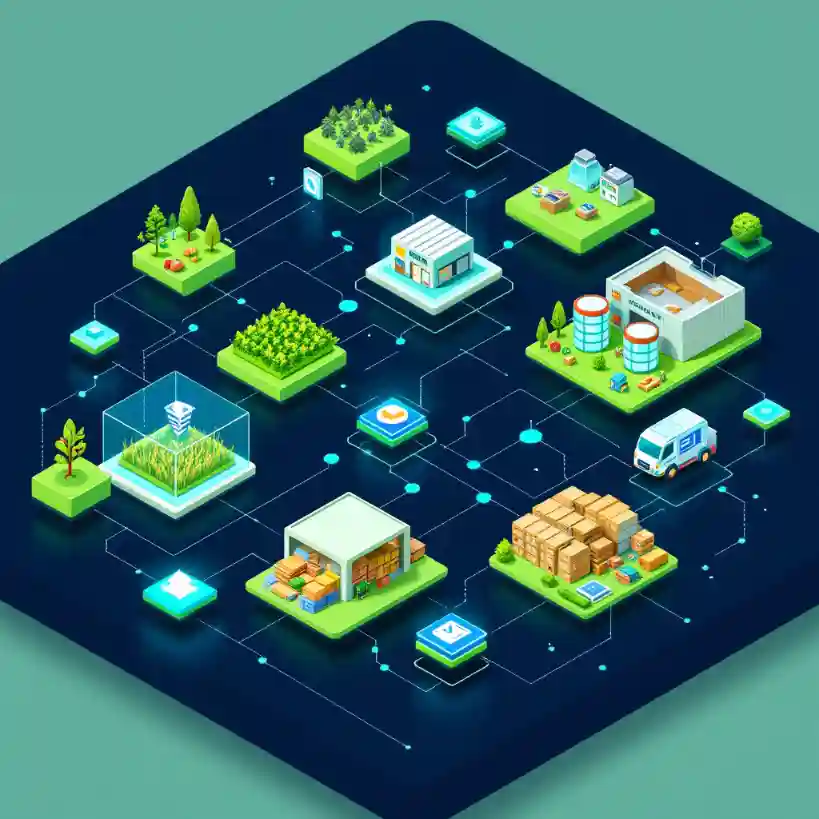
Not every farm needs blockchain. Some honestly shouldn’t touch it. Three patterns kept showing up in my research.
Scenario 1: When You Only Need Internal Tracking
No one outside your farm needs to verify the data? A local database is faster and cheaper. Why add complexity you don’t need?
Scenario 2: When Connectivity Is Unreliable
Blockchain nodes struggle with intermittent signals. A low-bandwidth IoT platform works much better in those situations.
Scenario 3: When Your Team Already Has Strong Digital Workflows
Smooth audits already? The blockchain overhead won’t give you much extra. Use lighter agricultural supply chain transparency solutions instead.
Blockchain helps when trust across multiple partners is the missing piece, not when you’re trying to fix internal organization issues.
Implementation Blueprint: Phased Rollout Strategy from Pilot to Full Scale
I’ve watched too many farms jump straight to full deployments, then wonder why sensors fail, or data looks off. Let me tell you: slow rollouts win.
Phase 1: 30-Day Pilot
- Pick one crop or livestock group
- Install minimal sensors: temperature, humidity, soil moisture
- Run a blockchain testnet node on a small server or Pi-class machine
Phase 2: Validation
- Compare sensor readings with manual checks
- Fix calibration drift
- Measure power draw so you know real operating costs
Phase 3: Partial Deployment
- Add gateway redundancy
- Move from testnet to production
- Start sharing data with one partner, usually your distributor
Phase 4: Full-Scale Adoption
- Expand to all lots
- Automate exception alerts
- Train staff regularly to avoid the Georgia poultry farm mistakes
The blueprint mirrors how I test nodes in my own home lab. Start small, measure everything, and scale only after the energy and data integrity numbers make sense.
Blockchain can help reduce waste and speed up recall response, but it only delivers strong blockchain food traceability agriculture results when paired with reliable IoT and realistic planning. Think of blockchain as the final verification layer, not the magic engine doing the heavy lifting.
Want to explore this path? A simple 90-day action plan:
Days 1 to 30
- Identify two or three spoilage pain points
- Pick one small pilot zone
- Install basic IoT sensors and measure data quality
Days 31 to 60
- Add a lightweight blockchain layer
- Test data sharing with one partner
- Track energy usage and cloud fees
Days 61 to 90
- Evaluate spoilage shifts
- Calculate ROI using real numbers, not vendor projections
- Decide whether to scale or pause
Your waste drops, and your audits get smoother? Scaling might pay off. But when the pilot struggles, you’ll know early without sinking the next two years into tech that doesn’t fit your operation.
Either way, the math will tell the truth. It usually does.